

NOVEMBER 2025 | Nextworks
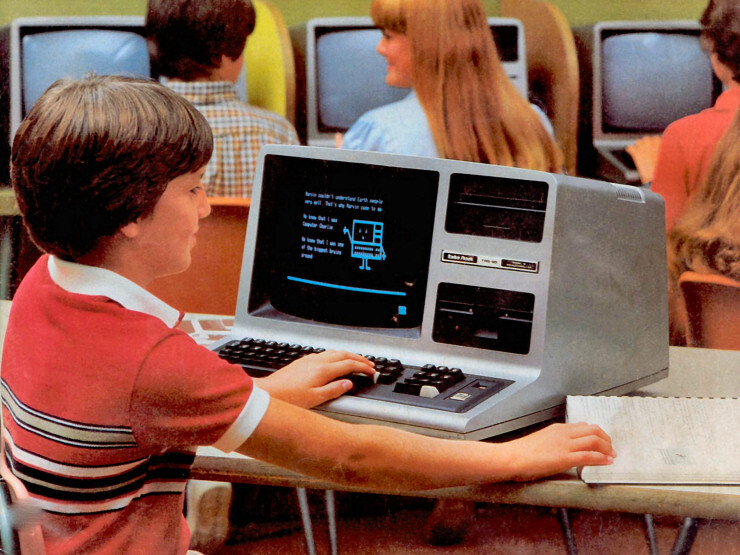
Times have changed. It is difficult to hire young people who know how to use a computer.
Smartphones have contributed to a noticeable decline in baseline computer literacy among teenagers and young adults entering the workforce, especially since around 2015–2018. This is now a well-documented phenomenon in education and HR circles.
| Skill / Task | Gen Z / young Gen Alpha | Millennials & Older |
|---|---|---|
| Typing speed on a physical keyboard | Often 20–40 wpm (hunt-and-peck common) | 60–100+ wpm common |
| Using a mouse + keyboard shortcuts | Frequently clumsy or very slow | Second nature |
| File-system navigation (folders, saving files, paths) | Many have never had to do it seriously | Routine since childhood |
| Installing software, adding printers, etc. | Rare; panic when asked | Normal part of growing up with PCs |
| Using Office/desktop apps properly (Excel formulas, Word styles, etc.) | Extremely shallow knowledge outside of Google Docs | Much deeper on average |
| Troubleshooting basic PC issues (restart, clear cache, check Task Manager) | Often helpless | Usually attempted first |
| Comfort with Windows or MacOS desktop environments | Low - Many have only used IOS or Android | High |
A non-trivial percentage of people entering the workforce in the 2020s and 2025s are the first generations in decades who can be functionally computer-illiterate on a traditional laptop or desktop despite being digitally native on phones and tablets.
 Are young people tech-savvy or tech-dependent?
It's not universal (plenty of Gen Z gamers, Computer Science students, and power users are extremely proficient), but the floor of basic computer literacy has dropped dramatically compared to even 2010-era teenagers. Employers now treat "can navigate Windows/macOS and use Office properly" as a skill to screen for or train, whereas it used to be assumed.
Let Nextworks help to ease your IT burden.
